Contributions and Acknowledgments

The Centre for Aquaculture Progress would like to extend its sincere thanks to all those who contributed their time, expertise, and feedback to the development of this protocol.

In particular, we wish to thank Dr Marco Cerqueira (CCMAR) for his detailed feedback and close collaboration throughout the development of this document. His thoughtful input greatly strengthened the scientific robustness and practical applicability of the protocol.

We also thank many of our collaborators who reviewed the draft and provided constructive comments. These thanks are extended to [insert key names].

Copyright

Copyright and License

© Centre for Aquaculture Progress 2025
Licensed under CC BY 4.0. You may use, share, and adapt this material with attribution.
Full license: https://creativecommons.org/licenses/by/4.0/

Table of Contents

Executive Summary

This protocol provides a standardized framework for assessing the welfare of farmed rainbow trout (Oncorhynchus mykiss). It serves farm personnel conducting routine welfare monitoring and other industry professionals, including certifiers, auditors, and buyers. This protocol is designed to align with the welfare monitoring and assessment requirements of key certifications, such as RSPCA Assured and Aquaculture Stewardship Council (ASC).

While this protocol was developed primarily for ongrowing rainbow trout in seawater, users can apply it to juveniles or trout reared in other production systems. Application in these contexts requires careful interpretation, as certain thresholds may not directly translate to different life stages and production systems. The Centre for Aquaculture Progress will publish protocols for juvenile rainbow trout in freshwater in 2026.

With global production exceeding 1 million tons in 2023, rainbow trout represent a major commercial aquaculture species.1 At this scale, producers require robust, standardized tools to maintain high welfare standards. Operational Welfare Indicators (OWIs) are scientifically validated practical indicators, including individual morphological indicators, group-based indicators, and environmental indicators, which provide the foundation for systematic on-farm welfare monitoring and assessment.

While practical guidance on OWIs has been developed for other species, such as the Laksvel protocol for Atlantic salmon,2 and valuable documentation on rainbow trout welfare has been published by Nofima3 and APROMAR,4 existing resources lack comprehensive, standardized, and threshold-based assessment across a wide range of indicators for rainbow trout producers. This protocol addresses that gap.

This protocol enables farm personnel to systematically monitor the welfare of their stock, identify potential issues early, and implement corrective actions. This proactive approach helps producers understand the relationship between welfare and production performance, resulting in reduced losses, improved regulatory compliance, strengthened consumer trust, and a stronger and more sustainable aquaculture industry.

Stakeholder feedback

The Centre for Aquaculture Progress will regularly update this protocol based on the latest scientific evidence and evolving operational practices to ensure this protocol remains as relevant and accurate for producers as possible.

The Centre for Aquaculture Progress welcomes feedback and comments from all interested stakeholders to ensure this protocol remains practical, scientifically sound, and commercially relevant. We particularly welcome:

Stakeholder input will directly inform future updates and ensure the guidance continues to meet industry needs.

To submit feedback or questions, please fill out this form, or alternatively contact info@centreforaquacultureprogress.org.

Introduction

Rainbow trout, like other teleost fish, are animals capable of experiencing pain and stress. Ensuring their welfare during production requires systematic monitoring through Operational Welfare Indicators (OWIs). The increasing focus on OWI implementation reflects shared priorities shared across the aquaculture value chain: from producers, certification bodies and seafood buyers, to consumers, governments, and NGOs. By improving welfare outcomes, producers simultaneously achieve better growth, survival, robustness, and production efficiency, while meeting regulatory requirements and evolving consumer expectations.

This protocol provides a standardized, systematic framework for real-world commercial use, built upon the strongest available scientific evidence to support both on-farm management and compliance with key certification requirements.

These guidelines were primarily developed for ongrowing rainbow trout in seawater. Users can apply this protocol to other life stages or production systems, though application in these contexts requires careful interpretation.

Defining fish welfare and Operational Welfare Indicators (OWIs)

Fish welfare

Animal welfare is a complex and multifaceted topic, with many definitions and conceptual frameworks. Several widely recognized approaches include:

  1. Nature-based: Animal welfare is achieved when animals can express natural behaviors and use evolved adaptations in environments that meet their species' behavioral and habitat needs.5

  2. Feeling-based: Animal welfare depends on subjective emotional experiences, requiring freedom from negative states (e.g., pain, fear) while enabling positive experiences (e.g., comfort, pleasure).6

  3. Function-based: Animal welfare is determined by proper biological functioning, including good health, normal growth and development, and the absence of disease, injury, or physiological dysfunction.7

  4. Coping-based: Animal welfare reflects an individual's ability to cope with environmental challenges, where poor welfare occurs when adaptation mechanisms are overwhelmed or inadequate.8

  5. Affective balance: Animal welfare represents the cumulative balance of positive and negative experiences over time, where good welfare occurs when positive experiences outweigh negative ones.9

These frameworks are recognized as complementary rather than competing perspectives. Modern integrated approaches, such as the Five Domains Model,10 synthesize these perspectives by assessing welfare across multiple dimensions:

  1. Domain 1 (Nutrition): Adequate food and water (function-based).
  2. Domain 2 (Physical Environment): Appropriate thermal, atmospheric, and spatial conditions (nature-based, function-based).
  3. Domain 3 (Health): Absence of disease, injury, and functional impairment (function-based).
  4. Domain 4 (Behavioral Interactions): Opportunities for species-typical behaviors, agency, and control (nature-based, coping-based).
  5. Domain 5 (Mental State): Overall affective experience integrating domains 1-4 (feeling-based, affective balance).

This multidimensional framework acknowledges that welfare encompasses biological functioning, behavioral expression, and subjective experience, with each domain contributing to the animal's overall quality of life.

While acknowledging the complexity of the term ‘welfare’, this document adopts the same definition used in the Laksvel protocol for Atlantic salmon: “quality of life as perceived by the fish itself.”11 This definition aligns with the feeling-based and affective balance perspectives by centering on the fish's subjective experience. However, because subjective experience cannot be directly measured, this protocol uses observable indicators across multiple welfare domains as proxies for internal states.

The protocol's indicators are organized to provide comprehensive assessment across these five welfare domains, acknowledging that no single indicator can capture the multifaceted nature of welfare.

Operational Welfare Indicators (OWIs)

Operational Welfare Indicators (OWIs) are standardized assessment tools designed for routine implementation in commercial aquaculture. Unlike some other proxy measures such as plasma cortisol concentrations that require laboratory analysis, OWIs enable practical on-farm assessment. These indicators are scientifically validated, practically feasible, and provide actionable data for evidence-based management decisions.12

This document classifies OWIs into three categories:13

  1. Individual-based indicators (animal-based outcome measures): These assess the physical condition of individual fish (including parameters such as fin condition and skin condition) through sampling. Individual-based indicators directly reflect how the fish have been affected by its environment and management, providing outcome measures of their welfare state.
  2. Group-based indicators (outcome measures): These assess collective patterns at the population level, including behavior and mortality rates.
  3. Environmental indicators (input measures): These assess the aquatic environment, including dissolved oxygen and temperature. Environmental indicators represent the conditions fish experience and are critical determinants of welfare, though they are inputs (what is provided) rather than direct outcomes (how fish are affected).

Relationship Between OWI Categories and Welfare Domains

The table below shows how the three OWI categories address the Five Domains of welfare:

Welfare Domain Individual-Based Indicators Group-Based Indicators Environmental Indicators
1. Nutrition Emaciation Feeding behavior Feed quality, delivery (not in current protocol)
2. Physical Environment Morphological damage related to environment Swimming behavior Water quality, stocking density
3. Health Morphological damage including those related to disease signs, deformities Mortality Water quality (disease risk factors)
4. Behavioral Interactions Morphological damage from aggression, (particularly fin damage) Aberrant fish, aggressive behavior, feeding behavior, swimming behavior Stocking density, water flow/velocity
5. Mental State Pain-related morphological damage (inferred) Aberrant behavior Environmental stressors (e.g. suboptimal water quality or high stocking densities)

![][image1]

Limitations

While OWIs provide valuable welfare assessment capabilities, users should be aware of several important limitations:

  1. Evidence base variability: The scientific foundation supporting individual indicators varies considerably. Some indicators are well-validated in ongrowing rainbow trout in seawater, while others rely on evidence from different salmonid species, alternative life stages, or laboratory studies that may not fully reflect commercial conditions. Users should interpret indicators with limited validation with greater caution. More information on specific indicators is provided in the section ‘Evidence Quality’ below.

  2. Indicator interpretation challenges: Some indicators may interact with each other, producing compounding effects on welfare, that cannot be captured by siloed assessment of individual indicators.

  3. Sampling limitations: Morphological assessments require the sampling of individuals, which may not accurately reflect the welfare status of the entire production group. In large-scale operations, localized welfare issues could be missed if sampling protocols are insufficient or if welfare problems are unevenly distributed throughout the population.

  4. Assessor subjectivity: Many morphological indicators rely on visual scoring instead of detailed measurements. While this approach enables rapid assessment, it introduces inter-observer variability and requires standardized training protocols to maintain consistency across evaluators. In addition, because OWIs are developed and interpreted from a human perspective, there is an inherent anthropocentric bias that may not fully reflect the fish’s subjective experience.

  5. Practical limitations: OWI protocols must be practical and flexible for implementation across different commercial settings, which inherently involves trade-offs with precision. Because most producers cannot monitor OWIs continuously, assessments are typically carried out at discrete time points, providing only snapshots of welfare. In addition, fish may physiologically adapt to chronic stress and appear outwardly normal, meaning that short-term observations can underestimate ongoing welfare issues.

  6. Equipment dependency: Environmental monitoring capabilities depend on available sensor technologies and their placement. Producers with limited monitoring equipment may have reduced capacity to track key environmental parameters, potentially missing welfare-relevant changes in water quality or environmental conditions.

  7. Assessment only: This protocol focuses on welfare assessment and does not provide recommendations for addressing identified welfare gaps. Producers should therefore ensure they have strong management plans in place that enable them to act upon identified welfare issues.

These limitations highlight the need for producers to routinely and systematically measure multiple indicators across different categories rather than focusing on single indicators or one-off assessments. In tandem, protocols such as this one must be regularly reviewed and updated to reflect emerging scientific evidence and evolving understanding of fish welfare.

Evidence Quality

To address the variability of the evidence base between indicators (for more information see the Limitations section) and to ensure transparency, the table below summarizes the level of supporting evidence for each indicator. The table provides three considerations for each indicator: welfare significance (the importance of the indicator for fish welfare), rainbow trout-specific evidence (the number of and strength of scientific studies specifically on rainbow trout), and threshold validation (how well-established the proposed scoring thresholds in this protocol are).

While some indicators are more strongly validated than others, producers are encouraged to measure as many indicators as practicable. Additionally, tracking correlations between indicators over time can strengthen understanding of how these indicators reflect welfare within production systems.

Indicator Welfare significance Rainbow trout-specific evidence Threshold validation
Individual-based indicators
Eye opacity High Moderate Low (extrapolated from salmon)
Eye injury High Very low Low (extrapolated from salmon)
Operculum damage Moderate Very low Low (extrapolated from salmon)
Gill damage High Very low Low (extrapolated from salmon)
Skin hemorrhaging Moderate Very low Low (extrapolated from salmon)
Scale loss Moderate Very low Low (extrapolated from salmon)
Wounds High Low Low (extrapolated from salmon)
Snout damage High Very low Low (extrapolated from salmon)
Fin damage Moderate High Moderate
Spinal deformity High Moderate Low (extrapolated from salmon)
Jaw deformity High Low Low (extrapolated from salmon)
Change of coloration Moderate Low Very low
Emaciation High High Moderate
Sea lice High Low Moderate (extrapolated from salmon)
Group-based indicators
Mortality High Moderate Low
Aberrant fish High Low Low
Aggressive behavior High Very low Very low
Feeding behavior High Low Low
Swimming behavior High Low Low
Environmental indicators
Stocking density High High Moderate
Dissolved oxygen High High High
Carbon dioxide High Low Very low
Temperature High High Moderate
Turbidity Moderate Low Very low
pH High Moderate Low
Total Suspended Solids Moderate Low Very low
Ammonia High Low Low
Nitrite Low Very low Very low
Nitrate Moderate Very low Very low
Metals High Low Very low
Water flow / velocity Moderate Low Low
Salinity High Very low Very low

Method

OWI selection process

This protocol selected OWIs through comprehensive analysis of existing OWI frameworks and materials, a complete list of which is listed in the Appendix under ‘OWI Selection’.

The selection process involved:

Threshold development process

Threshold recommendations for each OWI were developed through an indicator-specific systematic review of the current scientific literature, prioritizing evidence from ongrowing rainbow trout in commercial seawater conditions. Where such evidence was limited (which was often), the analysis incorporated evidence from different production systems, laboratory settings, alternative life stages, or other salmonids.
Each paper was evaluated based on the following criteria:

Papers were graded as high, medium, or low, with findings weighted accordingly to inform final threshold recommendations for each indicator. This approach ensures the recommendations are grounded in the best available science while providing practical guidance where specific knowledge gaps exist.

Thresholds

Thresholds for each OWI are classified as ‘ideal’, ‘acceptable’, ‘warning’, and ‘unacceptable’. The 'acceptable', 'warning', and 'unacceptable' thresholds correspond to traffic light systems (green-yellow-red) commonly used in certification schemes. These levels should not be treated as linear in severity.

Thresholds for individual indicators describe the welfare impact on that individual fish; they do not prescribe target prevalence levels for the population.

Further guidance on assessing OWIs

Which indicators to assess and when

This protocol includes over 30 indicators. While having more data can be beneficial, monitoring all indicators may not be practical in commercial farm settings.

Producers should decide which indicators should be monitored at which frequencies, informed by their own site-specific experience, requirements by any certifications/regulators/customers, and practical constraints. These indicators should work together to provide a balanced picture of welfare.

Routine assessment enables early problem detection. Research in salmon found welfare scores changed within 2–3 month intervals, suggesting a higher frequency of monitoring is preferable. Certification schemes also provide guidance: For morphological assessments, ASC requires them to be conducted monthly; the Best Aquaculture Farm Standard recommends weekly checks; Naturland advises at least every 7 days during sensitive periods; and the RSPCA requires a minimum of four assessments in the freshwater stage and monthly in seawater.

At a minimum, behavioral indicators, mortality, dissolved oxygen and temperature should be monitored daily. Depending on the production system, other water quality indicators may also need to be monitored daily (e.g., ammonia in RAS systems). Morphological indicators should be assessed on a monthly basis at minimum. Since producers are already handling fish during sampling, it is strongly encouraged to assess all individual-based morphological indicators to maximize the data collected. If sampling occurs more frequently for other purposes (e.g., regulatory sea lice monitoring), morphological indicators should also be assessed during these events to use handling time efficiently.

Producers should increase monitoring frequency when specific risks are present (e.g. high temperatures, disease outbreaks, or after handling events), or when assessment results suggest emerging welfare problems. Alternatively, assessment frequency may be reduced over time if and only if consistent results and strong correlations are observed across certain time periods, indicating stable welfare conditions.

This protocol is deliberately granular to provide assessors with more detailed welfare data. Some indicators require assessment through more than one feature (e.g. structure and color for gills). In these cases, the overall score should be the most severe level.

However, certification requirements, internal company processes, or time constraints may require indicators to be grouped in their assessment. There also may be limited time to record each indicator separately, meaning that the number of indicators measured must be reduced.

In these cases, related indicators can be grouped into one score by:

For example:

Grouping indicators reduces data granularity and may mask specific welfare issues. Group indicators only when necessary for compliance or practical constraints.

The Centre for Aquaculture Progress has developed separate guidance mapping each individual indicator in this document to specific certification requirements. This can be accessed at [INSERT LINK].

Sampling individual-based indicators

Methodological Notes

All indicators in this section are morphological individual-based outcome measures, meaning they require:

  1. Sampling of individual fish from the population;
  2. Scoring each sampled fish independently;
  3. Calculating prevalence (percentage of fish falling into each category of ‘ideal’, ‘acceptable’, ‘warning’, and ‘unacceptable’); and
  4. Using prevalence distributions to classify the population’s welfare status.

The process of sampling itself can be stressful for fish. Where possible, using observations from underwater camera systems (as long as they have been validated against traditional sampling assessments) is recommended.

Sample size

While classical sampling theory suggests that a sample of 30 is often sufficient regardless of population size, practical aquaculture conditions often violate key statistical assumptions:

This means sampling 30 fish may not adequately represent welfare status across the entire population, particularly in large-scale operations. Therefore, we recommend scaling sample size with cage size:

Cage size Recommended minimum sample
\< 20,000 30
20,000–100,000 50
> 100000 100

The number of fish reasonably able to be sampled will depend on practical factors such as staff time and achieving the above minimums may not always be practical. Further, a post-mortem analysis of morphological indicators is recommended across a very large sample after harvest, as this does not involve further stress to the fish and can provide accurate prevalence data.

We recommend sampling each cage at the site. The number of cages assessed may be reduced over time if consistent results and strong correlations are observed across cages, and cages are assessed on a rotating basis.
Individual-based indicators

Eye opacity

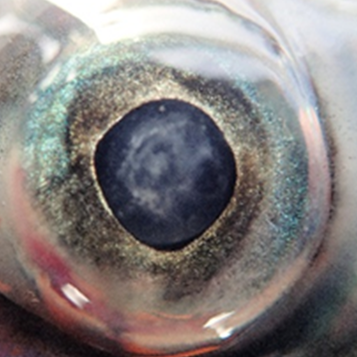
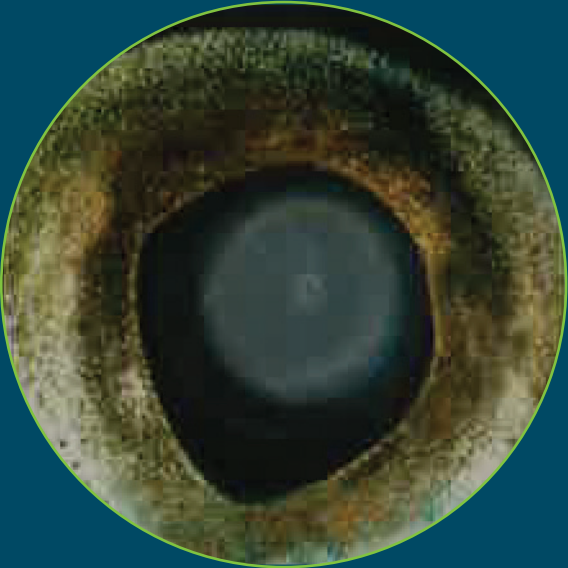
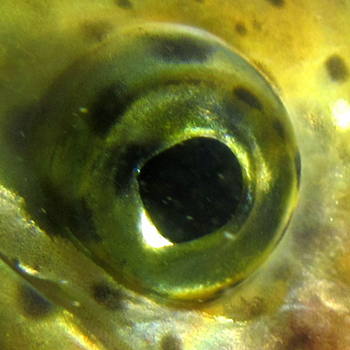
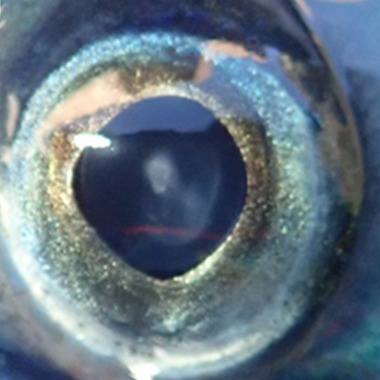
Eye opacity or cataracts can arise from nutritional, genetic, and environmental factors, as well as exposure to infections, parasites, or ultraviolet light. Cataracts cause lens clouding, leading to impaired vision. This can restrict a fish’s ability to feed, avoid aggression or predation, and navigate its environment. As a result, eye opacity can negatively impact survival, growth, and performance.

Ideal Acceptable Warning Unacceptable

No visible opacity

Minor opacity, < 10% lens coverage

Moderate opacity, 10–50% lens coverage

Severe opacity, > 50% lens coverage

A fully healthy rainbow trout eye
A fully healthy rainbow trout eye90
A rainbow trout eye with minor lens coverage
A rainbow trout eye with minor lens coverage11
A rainbow trout eye with significant lens coverage
A rainbow trout eye with significant lens coverage11
A rainbow trout eye with major lens coverage
A rainbow trout eye with major lens coverage92
Protocol Application

Scoring is based on the most affected eye, though recording both eyes is recommended to improve data quality.
Calculate the distribution of scores across all thresholds within the sample.

Scoring Notes
  • For a ‘warning’ score for opacity, noting whether the opacity is lower (10-25%) or higher (25–50%) supports better management decisions.
  • Lower end opacity means the fish likely retains adequate functional vision.
  • Higher end opacity means vision may be significantly impaired, approaching welfare concerns.
  • While an ‘acceptable’ opacity score reflects a state of minimal welfare impact, minor cataracts can indicate parasitic infection, metabolic stress, or nutritional problems and should be actively managed to prevent progression.
  • Bilateral cases: Where both eyes would be scored as ‘warning’ or ‘unacceptable’, vision is likely significantly impaired, posing greater welfare risk than unilateral opacity. Monitoring should be increased where this is observed.
  • Validation: This scoring system has not been validated for rainbow trout specifically, but is based on the Laksvel scoring system for Atlantic salmon. Eye anatomy is similar across salmonids, but species-specific validation is needed.
Key Evidence
Source Summary of source Key result
Kuukka-Anttila et al., 2010 Experimental study investigating cataract growth in 969 rainbow trout with a natural Diplostomum infection in commercial settings across in both freshwater and seawater sites over a 3-year rearing period. A slit-lamp microscope was used to score cataracts from 0–5, for a total score of up to 10 between both eyes. The fish were measured at three different times: after the first growing season (mean weight 50g, freshwater), after the second growing season (mean weight 734g, both freshwater and seawater) and after the third growing season (mean weight 2245g, freshwater only). All 969 individuals had cataracts with a mean individual score of 7.5 and a range from 4 to 10. The authors noted that Diplostomum load is directly related to cataract scores, and that the findings suggest that variation in tolerance is determined by genetic factors. Initial body weight was not correlated with cataract score, but cataract severity measured in the second and third timepoints had a strongly negative relationship with body weight, indicating reduced growth and condition in fish with high cataract scores. In females, higher cataract scores were associated with later maturity, though this was not observed in males. There was no clear relationship between cataract severity and mortality. The authors explained that this could be due to the farming conditions: as there were no predators and fish had unlimited access to feed, meaning reduced vision did not result in starvation.
Karvonen et al., 2004 Experimental study investigating cataract formation in response to eye fluke infection (Diplostomum spathaceum) in 160 rainbow trout (1 year old). Trout were exposed to natural infection in Lake Konnevesi over 112 days in cages or in a freshwater laboratory environment. Cataracts were scored using a slit-lamp microscope on a scale from 0–4. There was a strong relationship between higher parasite loads and more severe cataracts. Under natural lake exposure, cataracts developed gradually, with 35% of eyes fully covered or opaque by day 112. In laboratory exposures, cataracts developed more rapidly; 37% of eyes had a complete cataract and 3% totally opaque by day 29. Cataract intensity remained stable after this time.
Remo et al., 2017 Experimental study investigating the formation of cataracts at different temperatures in 80 post-smolt rainbow trout (125g) over 35 days in laboratory seawater conditions. Two temperatures were tested: 13°C and 19°C. Each lens was scored between 0–4, with a total score between 0–8 per fish. A score of 0 \= no opacity, 1 \= \< 10% opacity, 2 \= 10–50% opacity, 3 \= 50–75% opacity and 4 \= 75–100% opacity. At the start of the study, rainbow trout had a cataract prevalence of 10%, with a mean cataract score of 0.1. In the 13°C group, the prevalence was 53% and the mean score was 0.9, and in the 19°C group the prevalence was 67% and the mean score was 1.3. The authors concluded that the trout’s higher concentrations of N-acetyle-histidine and histidine made them less susceptible to cataracts than salmon.
Supporting Evidence
  • Karvonen, A., O. Seppälä, and E. T. Valtonen. 2004. “Eye Fluke-Induced Cataract Formation in Fish: Quantitative Analysis Using an Ophthalmological Microscope.” Parasitology 129 (4): 473–78. https://doi.org/10.1017/s0031182004006006.
  • Kuukka-Anttila, H., N. Peuhkuri, I. Kolari, T. Paananen, and A. Kause. 2009. “Quantitative Genetic Architecture of Parasite-Induced Cataract in Rainbow Trout, Oncorhynchus Mykiss.” Heredity 104 (1): 20–27. https://doi.org/10.1038/hdy.2009.123.
  • Nilsson, Jonatan, Kristine Gismervik, Kristoffer Vale Nielsen, Martin Haugsmo Iversen, Chris Noble, Jelena Kolarevic, Hilde Frotjold, et al. 2025. “Laksvel — a Standardised, Operational Welfare Monitoring Protocol for Atlantic Salmon Held in Sea Cages.” Institute of Marine Research. Institute of Marine Research. https://www.hi.no/en/hi/nettrapporter/rapport-fra-havforskningen-en-2025-40.
  • Noble, C., K. Gismervik, M. H. Iversen, J. Kolarevic, J. Nilsson, L. H. Stien, and J. F. Turnbull. 2020. “Welfare Indicators for Farmed Rainbow Trout: Tools for Assessing Fish Welfare.” Nofima. Nofima. https://nofima.no/wp-content/uploads/2020/05/Welfare-Indicators-for-farmed-rainbow-trout-Noble-et-al.-2020.pdf.
  • Remø, Sofie Charlotte, Ernst Morten Hevrøy, Olav Breck, Pål Asgeir Olsvik, and Rune Waagbø. 2017. “Lens Metabolomic Profiling as a Tool to Understand Cataractogenesis in Atlantic Salmon and Rainbow Trout Reared at Optimum and High Temperature.” Edited by José L Soengas. PLOS ONE 12 (4): e0175491. https://doi.org/10.1371/journal.pone.0175491.
  • Wall, T., and E. Bjerkas. 1999. “A Simplified Method of Scoring Cataracts in Fish.” Bulletin of the European Association of Fish Pathologists 19 (4): 162–65.
  • Weirup, Lina. “Development of a Fish Welfare Evaluation Index for Rainbow Trout (Oncorhynchus Mykiss) in Aquaculture.” PhD Thesis, 2022. https://d-nb.info/1262308445/34.

Group-based Indicators

Mortality

Mortality serves as a key but crude welfare indicator. While high mortality can reasonably be assumed to indicate poor welfare, fish in aquaculture systems can have poor welfare even with low mortality levels.

The Norwegian Food Safety Authority has stated that the average mortality rate in Norway is too high and is unacceptable. In 2024, 2.4 million rainbow trout died during the marine phase in Norway, representing an estimated annual cumulative mortality rate of 15.0%. In 2021, approximately 5% of all Norwegian locations for Atlantic salmon and rainbow trout achieved mortality rates below 5% in the sea phase. Individual farmers, scientific institutions, and others have put forward that this is a feasible mortality rate to achieve.

Beyond recording mortality rates, producers should also record causes of mortality to build understanding of trends over time. This is crucial for enabling appropriate actions to avoid and prevent further mortalities.

Ideal Acceptable Warning Unacceptable
< 0.01 % per day
0.01–0.02 % per day
0.02–0.03 % per day
≥ 0.03 % per day
Protocol Application

The figures above refer to both annualized and daily mortality rates (with daily mortality rates extrapolated from annual rates, rounded for simplicity). Annual rates should be the primary metric for overall assessment, with daily rates important for operational tracking and management decisions.

Scoring Notes

If daily mortality > 0.03%, initiate immediate investigation.
Along with mortality rates, it is critical to track and record causes of mortality. Understanding why fish are dying is essential for identifying patterns, implementing preventative measures, and distinguishing between normal background mortality and emerging problems. Where many mortalities cannot be explained, monitoring should increase and management practices reassessed.
Raw mortality numbers are not the only important metric. Increasing mortality rates, even if absolute rates remain in the ‘ideal’ or ‘acceptable’ categories, are still cause for concern.
If mortality rates increase or spike, management practices should be reassessed.
Being aware of seasonal trends is also important for making improved management decisions.
Validation: These thresholds are based on Norwegian industry aspirations and expert opinion.

Aberrant Behavior

Aberrant behavior includes fish that are unusually lethargic, frantic, deep, side swimming, body rocking, surface gasping, burrowing, or clumping. This includes stereotypic behavior: repetitive behavior that lacks a clear purpose, often observed in captive animals with limited ability to engage in natural behaviors. It is generally accepted that these types of behaviors are a response to a poor environment. These behaviors may also indicate the influence of stressors, disease, or deformities.

Producers should understand normal swimming behaviors in their production to better identify abnormal behaviors.

Subindicators Ideal Acceptable Warning Unacceptable
Minor aberrant

No minor aberrant behaviors

Isolated individuals (< 0.1%) showing minor aberrant behaviors

Noticeable prevalence (0.1–2%) of minor aberrant behaviors

High prevalence (> 2%) of minor aberrant behaviors

Major Aberrant

No major aberrant behaviors

(not available)

Isolated individuals (< 0.1%) expressing major aberrant behaviors

Noticeable prevalence (> 0.1%) of major aberrant behaviors

Overall

"Minor aberrant" is Ideal AND "Major Aberrant" is Ideal

"Minor aberrant" is Acceptable AND "Major Aberrant" is Ideal

"Minor aberrant" is Warning OR "Major Aberrant" is Warning

"Minor aberrant" is Unacceptable OR "Major Aberrant" is Unacceptable

Protocol Application

Use a consistent method of observing and assessing behavior to ensure data is standardized, including location and time of observation. An example protocol could be: our observe behavior for 5 minutes before feeding, 5 minutes during feeding, and then 5 minutes at another time in the day. For consistency, conduct observations at the same time each day.

When in doubt, assess conservatively and use a more severe threshold level.

Scoring Notes
  • Fish can behave aberrantly in many ways, and not all aberrant behaviors indicate the same severity of welfare issues. For example:
  • Minor aberrant behaviors can include:
    • Slight lethargy (reduced, but activity is still present).
    • Minor positioning changes (slightly deeper or higher than usual).
    • Reduced schooling participation.
  • Major aberrant behaviors can include:
    • Surface gasping (indicating respiratory distress).
    • Body rocking or stereotypies.
    • Side swimming.
    • Severe lethargy (minimal movement, poor responsiveness).
    • Frantic swimming.
  • What behaviors are considered aberrant also depends on the baseline trends in the production system.
  • Acute vs chronic aberrant behavior has different welfare implications. Acute behavior is linked to a specific stressor (e.g., a handling event) over a short period of time. Chronic behavior persists over weeks, indicating a systemic welfare problem.
  • Where aberrant behaviors can be linked to an acute stressor, note this for future reference.
  • Validation: The prevalence thresholds are derived from Pettersen et al. (2014). The distinction between minor and major aberrant behaviors is based on expert opinion and should be adapted to the baseline behavior patterns of each production system.
Key Evidence
Source Summary of source Key result
Davidson et al., 2011 Two experimental studies investigating the impacts of different freshwater RAS conditions on rainbow trout health and welfare. Experiment 1 compared very low water exchange and high water exchange in rainbow trout (151g) over six months. Experiment 2 compared low water exchange to near-zero water exchange in rainbow trout (18g). In both studies, trout in lower-exchange systems swam significantly faster than those in higher exchange systems. In study 1, high-exchange fish swam at approximately 0.7 BL/s, and low-exchange fish swam at approximately 1.4 BL/s. In study 2, the very low-exchange trout swam at approximately 2.1 BL/s, and the near-zero exchange trout swam at approximately 3.4BL/s. The authors hypothesized this was a physiological flight response caused by the chronically stressful water quality conditions. Approximately 4 times more side swimming was observed in the low-exchange system in study 1. The authors hypothesized this could be due to musculature imbalance, skeletal deformities, or swim bladder deviation. In study 2, the near-zero exchange group displayed more abnormal behaviors including erratic swimming, swimming at oblique angles, surface swimming, and yawning/gulping. These behaviors became more severe over time. In the near-zero system, skeletal deformity prevalence reached up to 38%. The authors hypothesized the abnormal swimming may contribute to more deformities. Mortality was also higher in this group.
Sneddon, 2003 Experimental study investigating behavioral and physiological responses consistent with pain perception in 25 rainbow trout (\~61g) in freshwater laboratory conditions. There were 5 treatment groups: control (only handled), saline-injected, acid-injected, acid- and-morphine-injected, and morphine-injected. The injection was in the trout’s lips. Acid-injected fish rested on the substrate and rocked from side to side on their pectoral fins. The authors interpreted this as possible stereotypic or comfort-seeking behavior. Fish also rubbed their lips against gravel or tank walls, which was interpreted by the authors as an attempt to relieve pain. These behaviors were nearly absent in controls and were significantly reduced by morphine.
Pettersen et al., 2014 Review paper presenting a welfare index to assess welfare of Atlantic salmon in sea cages. Behavior was included as an indicator. The authors concluded that aberrant behavior was a sign of severe welfare issues. They suggested that 0% was ideal, \< 0.1% was acceptable, 0.1–2% was poor and > 2% was critical for welfare. ?They categorized evidence of aggression as potentially serious and similar in severity to abnormal behavior. They suggested that surface gasping and lethargy could indicate severe gill disease.
Supporting Evidence
  • Latremouille, David N. “Fin Erosion in Aquaculture and Natural Environments.” Reviews in Fisheries Science 11, no. 4 (2003): 315–35. https://doi.org/10.1080/10641260390255745.
  • Martins, Catarina I. M., Leonor Galhardo, Chris Noble, Børge Damsgård, Maria T. Spedicato, Walter Zupa, Marilyn Beauchaud, et al. “Behavioural Indicators of Welfare in Farmed Fish.” Fish Physiology and Biochemistry 38, no. 1 (July 28, 2011): 17–41. https://doi.org/10.1007/s10695-011-9518-8.
  • Noble, C., K. Gismervik, M. H. Iversen, J. Kolarevic, J. Nilsson, L. H. Stien, and J. F. Turnbull. 2020. “Welfare Indicators for Farmed Rainbow Trout: Tools for Assessing Fish Welfare.” Nofima. Nofima. https://nofima.no/wp-content/uploads/2020/05/Welfare-Indicators-for-farmed-rainbow-trout-Noble-et-al.-2020.pdf.
  • Oppedal, Frode, Tim Dempster, and Lars H. Stien. “Environmental Drivers of Atlantic Salmon Behaviour in Sea-Cages: A Review.” Aquaculture 311, no. 1-4 (February 2011): 1–18. https://doi.org/10.1016/j.aquaculture.2010.11.020.
  • Özcan, Filiz. “Prevalence and Causes of Skeletal Deformities in Cultured Juvenile Oncorhynchus Mykiss. Skeletal Deformities in Cultured Juvenile Oncorhynchus Mykiss.” Revista Colombiana de Ciencias Pecuarias 38 (March 2025). https://doi.org/10.17533/udea.rccp.e359311.
  • Papandroulakis, Nikos , Konstandia Lika, Tore S Kristiansen, Frode Oppedal, Pascal Divanach, and Michael Pavlidis. “Behaviour of European Sea Bass,Dicentrarchus LabraxL., in Cages - Impact of Early Life Rearing Conditions and Management.” Aquaculture Research 45, no. 9 (January 2013): 1545–58. https://doi.org/10.1111/are.12103.
  • Pettersen, Jostein M., Marc B.M. Bracke, Paul J. Midtlyng, Ole Folkedal, Lars H. Stien, Håvard Steffenak, and Tore S. Kristiansen. “Salmon Welfare Index Model 2.0: An Extended Model for Overall Welfare Assessment of Caged Atlantic Salmon, Based on a Review of Selected Welfare Indicators and Intended for Fish Health Professionals.” Reviews in Aquaculture 6, no. 3 (June 30, 2013): 162–79. https://doi.org/10.1111/raq.12039.
  • Sneddon, Lynne U. “The Evidence for Pain in Fish: The Use of Morphine as an Analgesic.” Applied Animal Behaviour Science 83, no. 2 (September 2003): 153–62. https://doi.org/10.1016/s0168-1591(03)00113-8.
  • Wagner, Glenn N., Mark D. Fast, and Stewart C. Johnson. “Physiology and Immunology of Lepeophtheirus Salmonis Infections of Salmonids.” Trends in Parasitology 24, no. 4 (April 2008): 176–83. https://doi.org/10.1016/j.pt.2007.12.010.

Environmental Indicators

Stocking density

Stocking density, expressed as fish biomass per unit volume of water (kg/m³) is a complex indicator of welfare. The indicator involves many coinciding parameters and changes over time as fish grow in a static volume. The search for a ‘golden’ stocking density has been a subject of much academic discussion, as it is not a good indicator of welfare per se. This is because negative consequences of higher stocking densities can be mitigated through good management practices.1

However, across the literature there is a clear trend: increasing stocking density results in poor welfare outcomes for rainbow trout (e.g., higher mortality and lower growth). Separating the direct impacts of high stocking density from associated issues, such deteriorated water quality, can be very difficult. Further, some studies have found poor welfare outcomes at very low densities (e.g. at initial densities of 0.03kg/m³ or 0.4kg/m³).2 Producers should proceed with caution when considering very low levels of density.

Ideal Acceptable Warning Unacceptable
≤ 15 kg/m³
15–20 kg/m³
20–25 kg/m³
> 25 kg/m³
Protocol Application

Calculate stocking density by dividing total fish weight (kg) by total water volume available to fish (m³). Recalculate density regularly (ideally weekly) using predicted fish growth data.

Scoring Notes
  • At very low densities for commercial settings (e.g. \< 5kg/m³) and at ‘warning’ and ‘unacceptable’ levels, it is recommended to increase monitoring frequencies for other welfare indicators such as aggressive behavior, water quality impacts, and mortality.
  • When other important welfare indicators (such as dissolved oxygen, mortality, aggressive behavior) score poorly, consider adjusting stocking density.
  • Validation: The prevalence thresholds are derived from considering the results in the studies listed below.
Key Evidence
Source Summary of source Key result
Zahedi et al., 2019 Experimental study investigating the effects of stocking density on health status in female ongrowing rainbow trout (405g) in freshwater laboratory conditions over 60 days. Sampling was conducted every 20 days. Three different stocking densities were tested: 12, 24, and 44kg/m³. One additional group was considered the ‘reduced density’ group, which moved from a density of 44 to 12kg/m³ on day 40 for the final 20 days. In order to maintain the desired stocking densities, the required number of fish were removed weekly. High density significantly reduced final weight and condition factor. The reduced density group did not have different growth parameters compared to the high density group. The low density group had no mortality, but the medium and high density groups had mortality rates of 1.5% and 2.5% respectively. The gene expression of trout in the high density group was indicative of chronic stress, with low density having the lowest stress marker expression.
Liu et al., 2016 Experimental study investigating the effects of stocking density on health status in ongrowing rainbow trout (114g) in laboratory conditions over 300 days. Fish were initially housed in triplicate groups at three stocking densities: 4.6, 6.6, and 8.6kg/m³. At the end of the experiment, densities reached 31.1, 40.6, and 49.3kg/m³. 12 fish per density group were sampled at regular intervals. There were limited differences between the groups before 60 days, when all groups had densities below 16kg/m³ (8.9, 12.7, and 15.9kg/m³ respectively). At day 120, the groups had densities of 12.0, 16.4, and 20.0kg/m³ respectively. At this point, the highest density group (at 20kg/m³) showed significantly higher cortisol response levels compared to the lowest density group, though this was down-regulated by day 300. Low density fish achieved significantly higher weights and lengths. High density groups also had significantly higher mortality (3.35% vs. 2.21% in low density). High density fish also showed elevated plasma levels, indicating chronic stress.
Aksakal et al., 2011 Experimental study investigating the effects of stocking density on stress and oxidative proteins on ongrowing rainbow trout (130g) in laboratory conditions over 2 months. Four different stocking densities were tested: 15, 20, 25, and 30kg/m³. Consistent water quality parameters were maintained. The study demonstrated significantly elevated kidney G6PD activity and significantly depressed muscle G6PD activity at 20kg/m³ and above, with HSP70 mRNA expression significantly increased at 25kg/m³ and 30kg/m³. These changes indicate that increasing stocking densities beyond 15kg/m³ induces additional stress in rainbow trout.
Supporting Evidence
  • Alanärä, A., and E. Brännäs. “Dominance in Demand-Feeding Behaviour in Arctic Charr and Rainbow Trout: The Effect of Stocking Density.” Journal of Fish Biology 48, no. 2 (February 1996): 242–54. https://doi.org/10.1111/j.1095-8649.1996.tb01116.x.
  • Birolo, Marco, Francesco Bordignon, Angela Trocino, Luca Fasolato, Antón Pascual, Sergio Godoy, Carlo Nicoletto, Carmelo Maucieri, and Gerolamo Xiccato. “Effects of Stocking Density on the Growth and Flesh Quality of Rainbow Trout (Oncorhynchus Mykiss) Reared in a Low-Tech Aquaponic System.” Aquaculture 529 (December 2020): 735653. https://doi.org/10.1016/j.aquaculture.2020.735653.
  • Cvetkovikj, Aleksandar, Miroslav Radeski, Dijana Blazhekovikj-Dimovska, Vasil Kostov, and Vangjel Stevanovski. “Factors Affecting Fin Damage of Farmed Rainbow Trout.” Macedonian Veterinary Review 38, no. 1 (November 24, 2014): 61–71. https://doi.org/10.14432/j.macvetrev.2014.11.032.
  • Ellis, T., B. North, A. P. Scott, N.R. Bromage, M. Porter, and D. Gadd. “The Relationships between Stocking Density and Welfare in Farmed Rainbow Trout.” Journal of Fish Biology 61, no. 3 (September 2002): 493–531. https://doi.org/10.1111/j.1095-8649.2002.tb00893.x.
  • Ercüment Aksakal, Deniz Ekinci, Orhan Erdoğan, Şükrü Beydemir, Zuhal Alım, and Saltuk Buğrahan Ceyhun. “Increasing Stocking Density Causes Inhibition of Metabolic–Antioxidant Enzymes and Elevates MRNA Levels of Heat Shock Protein 70 in Rainbow Trout.” Livestock Science 141, no. 1 (October 2011): 69–75. https://doi.org/10.1016/j.livsci.2011.07.006.
  • I. Sirakov, and E. Ivancheva. “Influence of Stocking Density on the Growth Performance of Rainbow Trout and Brown Trout Grown in Recirculation System.” Bulgarian Journal of Agricultural Science 14, no. 2 (2008): 150–54.
    Latremouille, David N. “Fin Erosion in Aquaculture and Natural Environments.” Reviews in Fisheries Science 11, no. 4 (October 1, 2003): 315–35. https://doi.org/10.1080/10641260390255745.
  • Laursen, Danielle Caroline, Patricia I.M. Silva, Bodil K. Larsen, and Erik Höglund. “High Oxygen Consumption Rates and Scale Loss Indicate Elevated Aggressive Behaviour at Low Rearing Density, While Elevated Brain Serotonergic Activity Suggests Chronic Stress at High Rearing Densities in Farmed Rainbow Trout.” Physiology & Behavior 122 (October 2, 2013): 147–54. https://doi.org/10.1016/j.physbeh.2013.08.026.
  • Liu, Qun, Zhishuai Hou, Haishen Wen, Jifang Li, Feng He, Jinhuan Wang, Biao Guan, and Qinglong Wang. “Effect of Stocking Density on Water Quality and (Growth, Body Composition and Plasma Cortisol Content) Performance of Pen-Reared Rainbow Trout (Oncorhynchus Mykiss).” Journal of Ocean University of China 15, no. 4 (May 23, 2016): 667–75. https://doi.org/10.1007/s11802-016-2956-2.
  • Martins, Catarina I. M., Leonor Galhardo, Chris Noble, Børge Damsgård, Maria T. Spedicato, Walter Zupa, Marilyn Beauchaud, et al. “Behavioural Indicators of Welfare in Farmed Fish.” Fish Physiology and Biochemistry 38, no. 1 (July 28, 2011): 17–41. https://doi.org/10.1007/s10695-011-9518-8.
  • McKenzie, David J, Erik Höglund, A. Dupont-Prinet, Bodil Katrine Larsen, Peter Vilhelm Skov, Palle Pedersen, and Alfred Jokumsen. “Effects of Stocking Density and Sustained Aerobic Exercise on Growth, Energetics and Welfare of Rainbow Trout.” Aquaculture 338-341 (March 1, 2012): 216–22. https://doi.org/10.1016/j.aquaculture.2012.01.020.
  • Nahida, Rasheed, Manchi Rajesh, Prakash Sharma, Nityanand Pandey, Pramod Kumar Pandey, Arul Victor Suresh, Grace Angel, et al. “Stocking Density Affects Growth, Feed Utilisation, Metabolism, Welfare and Associated MRNA Transcripts in Liver and Muscle of Rainbow Trout More Pronouncedly than Dietary Fish Meal Inclusion Level.” Aquaculture 596 (February 15, 2025): 741717. https://doi.org/10.1016/j.aquaculture.2024.741717.
  • North, B.P., J.F. Turnbull, T. Ellis, M.J. Porter, H. Migaud, J. Bron, and N.R. Bromage. “The Impact of Stocking Density on the Welfare of Rainbow Trout (Oncorhynchus Mykiss).” Aquaculture 255, no. 1-4 (May 2006): 466–79. https://doi.org/10.1016/j.aquaculture.2006.01.004.
  • Person‐Le Ruyet, Jeannine, Laurent Labbé, Nicolas Le Bayon, Armelle Sévère, Annick Le Roux, Hervé Le Delliou, and Loïc Quéméner. “Combined Effects of Water Quality and Stocking Density on Welfare and Growth of Rainbow Trout (Oncorhynchus Mykiss).” Aquatic Living Resources 21, no. 2 (April 1, 2008): 185–95. https://doi.org/10.1051/alr:2008024.
  • Pottinger, T. G., and A. D. Pickering. “The Influence of Social Interaction on the Acclimation of Rainbow Trout, Oncorhynchus Mykiss (Walbaum) to Chronic Stress.” Journal of Fish Biology 41, no. 3 (September 1992): 435–47. https://doi.org/10.1111/j.1095-8649.1992.tb02672.x.
  • Raymo, Guglielmo, Fabiane Januario, Ali Ali, Ridwan O Ahmed, Rafet Al-Tobasei, and Mohamed Salem. “Fecal Microbiome Analysis Uncovers Hidden Stress Effects of Low Stocking Density on Rainbow Trout.” Animal Microbiome 6, no. 1 (October 16, 2024). https://doi.org/10.1186/s42523-024-00344-1.
  • Roy, Jérôme, Frédéric Terrier, Michaël Marchand, Alexandre Herman, Cécile Heraud, Anne Surget, Anthony Lanuque, Franck Sandres, and Lucie Marandel. “Effects of Low Stocking Densities on Zootechnical Parameters and Physiological Responses of Rainbow Trout (Oncorhynchus Mykiss) Juveniles.” Biology 10, no. 10 (October 13, 2021): 1040–40. https://doi.org/10.3390/biology10101040.
  • Suárez, M. D., C. E. Trenzado, M. García-Gallego, M. Furné, S. García-Mesa, A. Domezain, I. Alba, and A. Sanz. “Interaction of Dietary Energy Levels and Culture Density on Growth Performance and Metabolic and Oxidative Status of Rainbow Trout ( Oncorhynchus Mykiss ).” Aquacultural Engineering 67 (July 2015): 59–66. https://doi.org/10.1016/j.aquaeng.2015.06.001.
  • Yarahmadi, Peyman , Hamed Kolangi Miandare, Seyed Hossein Hoseinifar, Nahid Gheysvandi, and Arash Akbarzadeh. “The Effects of Stocking Density on Hemato-Immunological and Serum Biochemical Parameters of Rainbow Trout (Oncorhynchus Mykiss).” Aquaculture International 23, no. 1 (May 22, 2014): 55–63. https://doi.org/10.1007/s10499-014-9797-z.
  • Yarahmadi, Peyman, Hamed Kolangi Miandare, Sahel Fayaz, and Christopher Marlowe A. Caipang. “Increased Stocking Density Causes Changes in Expression of Selected Stress- and Immune-Related Genes, Humoral Innate Immune Parameters and Stress Responses of Rainbow Trout (Oncorhynchus Mykiss).” Fish & Shellfish Immunology 48 (January 2016): 43–53. https://doi.org/10.1016/j.fsi.2015.11.007.
  • Zahedi, Saeed, Arash Akbarzadeh, Jalil Mehrzad, Ahmad Noori, and Mohammad Harsij. “Effect of Stocking Density on Growth Performance, Plasma Biochemistry and Muscle Gene Expression in Rainbow Trout (Oncorhynchus Mykiss).” Aquaculture 498 (January 1, 2019): 271–78. https://doi.org/10.1016/j.aquaculture.2018.07.044.

Dissolved Oxygen

Dissolved oxygen is one of the most critical environmental parameters to measure. Oxygen is fundamental for the metabolic processes of fish. Both hypoxia (low oxygen) and hyperoxia (excessive oxygen) are major physiological stressors, compromising health, immunity, and overall welfare, and can lead to morbidity and mortality.

Ideal Acceptable Warning Unacceptable
95–105 %
80–95 %
OR
105–110 %
70–80 %
OR
110–140 %
< 70 %
OR
≥ 140 %
Protocol Application

Regular (e.g. weekly) calibration of monitoring devices against known standards is required to ensure measurements are accurate. Temperature compensation is also required. If the oxygen monitoring device measures the absolute level of oxygen and does not provide a saturation reading, online calculators (such as the one published by the University of Minnesota) can be used.

Measuring dissolved oxygen at various points is crucial for a comprehensive understanding of the system’s environment. In cage systems, this involves taking readings at different depths (e.g. surface, mid-column, and the bottom), different horizontal locations (e.g. centre and cage edge), as well as the depth with the highest fish density. This is important as oxygen levels can stratify due to factors like temperature and stocking density in specific areas.

It is recommended to monitor oxygen levels continuously, with manual verification at least twice daily, at dawn and dusk. The duration of suboptimal conditions should also be noted, with increased monitoring of fish behavior during these periods. When taking multiple readings in a pen, use the worst scoring reading within the assessment period for overall scoring.

Scoring Notes
  • Regular (e.g. weekly) calibration of monitoring devices against known standards is required to ensure measurements are accurate. Temperature compensation is also required.

  • Due to diurnal variation, expect daily fluctuations of 20–30%, with morning readings typically being the lowest.

  • Depth stratification can occur, with oxygen depletion possible in deeper layers.
  • Feeding may have an impact on available oxygen, with temporary oxygen depletion occurring post-feeding in intensive systems.
  • At ‘warning’ and ‘unacceptable’ oxygen levels, monitor fish behavioral changes, such as an increase in surface swimming.
  • Acute oxygen depletion or oversaturation (e.g. for less than 4 hours) is less concerning than sustained exposure.
  • Oxygen interacts with temperature. Higher temperatures reduce oxygen capacity in the water while increasing fish oxygen demand.

  • Validation: The above oxygen levels have only been validated for temperatures between 13–21°C based on available rainbow trout studies. The impacts of different oxygen levels outside this range is not clear. If using these thresholds for temperatures outside of this range, proceed with caution.

Key Evidence
Source Summary of source Key result
Waldrop et al., 2020 Experimental study investigating the impacts of dissolved oxygen concentration and swimming exercise on rainbow trout (from 18g to 1kg) in freshwater laboratory conditions over 341 days. Dissolved oxygen was tested at high levels (100% saturation) and low levels (70% saturation). Swimming exercise was also tested at high levels (1.5–2.0 body lengths/second) and low levels (\~0.5 body lengths/second). Fish in the high dissolved oxygen groups showed significantly better growth, reaching 1,019g vs 878g. The higher oxygen group also had reduced caudal fin damage. Mortality in the 100% dissolved oxygen group was 1.95%, and in the 70% dissolved oxygen group was 1.30%, but this was not statistically significant.
Park and Lee 2023 Experimental study investigating the impact of dissolved oxygen concentration on 1080 rainbow trout (123g) in freshwater RAS over 8 weeks. 4 different dissolved oxygen levels were tested: 5–6mg/L, 9–10mg/L, 14–15mg/L, and 17–18mg/L. The temperature was 17.6°C. Converting these to oxygen saturation levels (assuming 0 salinity and sea-level atmospheric pressure of 101.32 kPa), the four oxygen saturations tested were: \~52%–62%, \~93%–104%, \~145%–155%, and \~176%–186%. Fish in the lowest oxygen group had significantly reduced growth rates, weight gain, length growth, and daily feed intake. They also had elevated growth hormone and hemoglobin/hematocrit levels, indicating physiological stress. The higher oxygen groups did not show significant differences in growth performance. The \~93%–104% group had the best growth performance and most balanced hormone levels. The hormone Insulin-like Growth Factor-1 was also highest in this group, indicating better conditions. Groups with higher oxygen levels had declining hemoglobin and hematocrit levels, indicating potential negative effects of oversaturation.
Jiang et al., 2021 Experimental study investigating the impact of temperature and oxygen on 360 ongrowing rainbow trout (110g) in freshwater RAS over 28 days. Three temperatures (13°C, 17°C, and 21°C) and two dissolved oxygen levels (4.2mg/L (hypoxic) and 9.6mg/L (hyperoxic)) were tested. There were 6 treatments for each combination of temperature and oxygen, with 3 replicates each, resulting in 18 tanks with 20 fish per tank. Converting to oxygen saturation levels (assuming 0 salinity and sea-level atmospheric pressure of 101.32 kPa), the low oxygen treatments (4.2mg/L) resulted in 40% saturation at 13°C, 43% saturation at 17°C, and 47% saturation at 21°C. The high oxygen treatments (9.6mg/L) resulted in 91% saturation at 13°C, 99% saturation at 17°C, and 108% saturation at 21°C. High dissolved oxygen levels improved survival at all temperatures and enhanced growth performance and feed consumption. Under low oxygen conditions, the 13°C treatment (40% saturation) achieved 86.7% survival with 0.89% growth rate, the 17°C treatment (43% saturation) achieved 86.7% survival with 1.15% growth rate, and the 21°C treatment (47% saturation) showed severely compromised welfare with only 70% survival and 0.36% growth rate. Under high oxygen conditions, the 13°C treatment (91% saturation) achieved 93.3% survival with 1.20% growth rate, the 17°C treatment (99% saturation) achieved the best performance with 96.7% survival and 1.46% growth rate, and the 21°C treatment (108% saturation) maintained 90.0% survival with 0.95% growth rate.
Supporting Evidence
  • Aksakal, Ercüment, and Deniz Ekinci. “Effects of Hypoxia and Hyperoxia on Growth Parameters and Transcription Levels of Growth, Immune System and Stress Related Genes in Rainbow Trout.” Comparative Biochemistry and Physiology Part A: Molecular & Integrative Physiology 262 (December 2021). https://doi.org/10.1016/j.cbpa.2021.111060.
  • Duran, Utku, and Sena Çenesiz. “The Effect of Different Oxygen Concentrations on Oxidative Stress and Some Biochemical Parameters in the Transfer of Adult Rainbow Trout (Oncorhynchus Mykiss).” BMC Veterinary Research 21, no. 1 (April 30, 2025). https://doi.org/10.1186/s12917-025-04770-4.
    Han, Buying, Yuqiong Meng, Haining Tian, Changzhong Li, Yaopeng Li, Caidan Gongbao, Wenyan Fan, and Rui Ma. “Effects of Acute Hypoxic Stress on Physiological and Hepatic Metabolic Responses of Triploid Rainbow Trout (Oncorhynchus Mykiss).” Frontiers in Physiology 13 (June 24, 2022). https://doi.org/10.3389/fphys.2022.921709.
  • Jiang, Xuyang, Shuanglin Dong, Rongxin Liu, Ming Huang, Kang Dong, Jian Ge, Qinfeng Gao, and Yangen Zhou. “Effects of Temperature, Dissolved Oxygen, and Their Interaction on the Growth Performance and Condition of Rainbow Trout (Oncorhynchus Mykiss).” Journal of Thermal Biology 98 (May 2021). https://doi.org/10.1016/j.jtherbio.2021.102928.
  • MacIntyre, Craig. “Water Quality and Welfare Assessment on United Kingdom Trout Farms.” PhD Thesis, 2008. https://dspace.stir.ac.uk/bitstream/1893/434/1/FINAL%20THESIS.pdf.
  • Noble, C., K. Gismervik, M. H. Iversen, J. Kolarevic, J. Nilsson, L. H. Stien, and J. F. Turnbull. 2020. “Welfare Indicators for Farmed Rainbow Trout: Tools for Assessing Fish Welfare.” Nofima. Nofima. https://nofima.no/wp-content/uploads/2020/05/Welfare-Indicators-for-farmed-rainbow-trout-Noble-et-al.-2020.pdf.
  • Park, Kunhong, Jinseo Choi, Younghun Lee, and Jeonghwan Park. “Evaluation of the Optimal Dissolved Oxygen Level for Rainbow Trout (Oncorhynchus Mykiss) in the Recirculating Aquaculture System.” Journal of the Korean Society of Fisheries and Ocean Technology 59, no. 4 (November 30, 2023): 387–98. https://doi.org/10.3796/ksfot.2023.59.4.387.
  • Ritola, O, K. Tossavainen, T. Kiuru, P. Lindström‐Seppä, and H. Mölsä. “Effects of Continuous and Episodic Hyperoxia on Stress and Hepatic Glutathione Levels in One-Summer-Old Rainbow Trout (Oncorhynchus Mykiss).” Journal of Applied Ichthyology 18, no. 3 (June 26, 2002): 159–64. https://doi.org/10.1046/j.1439-0426.2002.00324.x.
  • Waldrop, Thomas, Steven Summerfelt, Patricia Mazik, P. Brett Kenney, and Christopher Good. “The Effects of Swimming Exercise and Dissolved Oxygen on Growth Performance, Fin Condition and Survival of Rainbow Trout Oncorhynchus Mykiss.” Aquaculture Research 51, no. 6 (March 15, 2020): 2582–89. https://doi.org/10.1111/are.14600.

Metals

Dissolved oxygen is one of the most critical environmental parameters to measure. Oxygen is fundamental for the metabolic processes of fish. Both hypoxia (low oxygen) and hyperoxia (excessive oxygen) are major physiological stressors, compromising health, immunity, and overall welfare, and can lead to morbidity and mortality.

Subindicators Ideal Acceptable Warning Unacceptable
Cadmium
< 0.0001 μg/L
0.0001–0.001 μg/L
0.001–0.005 μg/L
≥ 0.005 μg/L
Copper
< 0.0001 μg/L
0.0001–0.0015 μg/L
0.0015–0.002 μg/L
≥ 0.002 μg/L
Overall

Overall score is determined by the most severe subindicator

Protocol Application

Regular (e.g. weekly) calibration of monitoring devices against known standards is required to ensure measurements are accurate. Temperature compensation is also required. If the oxygen monitoring device measures the absolute level of oxygen and does not provide a saturation reading, online calculators (such as the one published by the University of Minnesota) can be used.

Measuring dissolved oxygen at various points is crucial for a comprehensive understanding of the system’s environment. In cage systems, this involves taking readings at different depths (e.g. surface, mid-column, and the bottom), different horizontal locations (e.g. centre and cage edge), as well as the depth with the highest fish density. This is important as oxygen levels can stratify due to factors like temperature and stocking density in specific areas.

It is recommended to monitor oxygen levels continuously, with manual verification at least twice daily, at dawn and dusk. The duration of suboptimal conditions should also be noted, with increased monitoring of fish behavior during these periods. When taking multiple readings in a pen, use the worst scoring reading within the assessment period for overall scoring.

Scoring Notes
  • Regular (e.g. weekly) calibration of monitoring devices against known standards is required to ensure measurements are accurate. Temperature compensation is also required.

  • Due to diurnal variation, expect daily fluctuations of 20–30%, with morning readings typically being the lowest.

  • Depth stratification can occur, with oxygen depletion possible in deeper layers.
  • Feeding may have an impact on available oxygen, with temporary oxygen depletion occurring post-feeding in intensive systems.
  • At ‘warning’ and ‘unacceptable’ oxygen levels, monitor fish behavioral changes, such as an increase in surface swimming.
  • Acute oxygen depletion or oversaturation (e.g. for less than 4 hours) is less concerning than sustained exposure.
  • Oxygen interacts with temperature. Higher temperatures reduce oxygen capacity in the water while increasing fish oxygen demand.

  • Validation: The above oxygen levels have only been validated for temperatures between 13–21°C based on available rainbow trout studies. The impacts of different oxygen levels outside this range is not clear. If using these thresholds for temperatures outside of this range, proceed with caution.

Key Evidence
Source Summary of source Key result
Waldrop et al., 2020 Experimental study investigating the impacts of dissolved oxygen concentration and swimming exercise on rainbow trout (from 18g to 1kg) in freshwater laboratory conditions over 341 days. Dissolved oxygen was tested at high levels (100% saturation) and low levels (70% saturation). Swimming exercise was also tested at high levels (1.5–2.0 body lengths/second) and low levels (\~0.5 body lengths/second). Fish in the high dissolved oxygen groups showed significantly better growth, reaching 1,019g vs 878g. The higher oxygen group also had reduced caudal fin damage. Mortality in the 100% dissolved oxygen group was 1.95%, and in the 70% dissolved oxygen group was 1.30%, but this was not statistically significant.
Park and Lee 2023 Experimental study investigating the impact of dissolved oxygen concentration on 1080 rainbow trout (123g) in freshwater RAS over 8 weeks. 4 different dissolved oxygen levels were tested: 5–6mg/L, 9–10mg/L, 14–15mg/L, and 17–18mg/L. The temperature was 17.6°C. Converting these to oxygen saturation levels (assuming 0 salinity and sea-level atmospheric pressure of 101.32 kPa), the four oxygen saturations tested were: \~52%–62%, \~93%–104%, \~145%–155%, and \~176%–186%. Fish in the lowest oxygen group had significantly reduced growth rates, weight gain, length growth, and daily feed intake. They also had elevated growth hormone and hemoglobin/hematocrit levels, indicating physiological stress. The higher oxygen groups did not show significant differences in growth performance. The \~93%–104% group had the best growth performance and most balanced hormone levels. The hormone Insulin-like Growth Factor-1 was also highest in this group, indicating better conditions. Groups with higher oxygen levels had declining hemoglobin and hematocrit levels, indicating potential negative effects of oversaturation.
Jiang et al., 2021 Experimental study investigating the impact of temperature and oxygen on 360 ongrowing rainbow trout (110g) in freshwater RAS over 28 days. Three temperatures (13°C, 17°C, and 21°C) and two dissolved oxygen levels (4.2mg/L (hypoxic) and 9.6mg/L (hyperoxic)) were tested. There were 6 treatments for each combination of temperature and oxygen, with 3 replicates each, resulting in 18 tanks with 20 fish per tank. Converting to oxygen saturation levels (assuming 0 salinity and sea-level atmospheric pressure of 101.32 kPa), the low oxygen treatments (4.2mg/L) resulted in 40% saturation at 13°C, 43% saturation at 17°C, and 47% saturation at 21°C. The high oxygen treatments (9.6mg/L) resulted in 91% saturation at 13°C, 99% saturation at 17°C, and 108% saturation at 21°C. High dissolved oxygen levels improved survival at all temperatures and enhanced growth performance and feed consumption. Under low oxygen conditions, the 13°C treatment (40% saturation) achieved 86.7% survival with 0.89% growth rate, the 17°C treatment (43% saturation) achieved 86.7% survival with 1.15% growth rate, and the 21°C treatment (47% saturation) showed severely compromised welfare with only 70% survival and 0.36% growth rate. Under high oxygen conditions, the 13°C treatment (91% saturation) achieved 93.3% survival with 1.20% growth rate, the 17°C treatment (99% saturation) achieved the best performance with 96.7% survival and 1.46% growth rate, and the 21°C treatment (108% saturation) maintained 90.0% survival with 0.95% growth rate.
Supporting Evidence
  • Aksakal, Ercüment, and Deniz Ekinci. “Effects of Hypoxia and Hyperoxia on Growth Parameters and Transcription Levels of Growth, Immune System and Stress Related Genes in Rainbow Trout.” Comparative Biochemistry and Physiology Part A: Molecular & Integrative Physiology 262 (December 2021). https://doi.org/10.1016/j.cbpa.2021.111060.
  • Duran, Utku, and Sena Çenesiz. “The Effect of Different Oxygen Concentrations on Oxidative Stress and Some Biochemical Parameters in the Transfer of Adult Rainbow Trout (Oncorhynchus Mykiss).” BMC Veterinary Research 21, no. 1 (April 30, 2025). https://doi.org/10.1186/s12917-025-04770-4.
    Han, Buying, Yuqiong Meng, Haining Tian, Changzhong Li, Yaopeng Li, Caidan Gongbao, Wenyan Fan, and Rui Ma. “Effects of Acute Hypoxic Stress on Physiological and Hepatic Metabolic Responses of Triploid Rainbow Trout (Oncorhynchus Mykiss).” Frontiers in Physiology 13 (June 24, 2022). https://doi.org/10.3389/fphys.2022.921709.
  • Jiang, Xuyang, Shuanglin Dong, Rongxin Liu, Ming Huang, Kang Dong, Jian Ge, Qinfeng Gao, and Yangen Zhou. “Effects of Temperature, Dissolved Oxygen, and Their Interaction on the Growth Performance and Condition of Rainbow Trout (Oncorhynchus Mykiss).” Journal of Thermal Biology 98 (May 2021). https://doi.org/10.1016/j.jtherbio.2021.102928.
  • MacIntyre, Craig. “Water Quality and Welfare Assessment on United Kingdom Trout Farms.” PhD Thesis, 2008. https://dspace.stir.ac.uk/bitstream/1893/434/1/FINAL%20THESIS.pdf.
  • Noble, C., K. Gismervik, M. H. Iversen, J. Kolarevic, J. Nilsson, L. H. Stien, and J. F. Turnbull. 2020. “Welfare Indicators for Farmed Rainbow Trout: Tools for Assessing Fish Welfare.” Nofima. Nofima. https://nofima.no/wp-content/uploads/2020/05/Welfare-Indicators-for-farmed-rainbow-trout-Noble-et-al.-2020.pdf.
  • Park, Kunhong, Jinseo Choi, Younghun Lee, and Jeonghwan Park. “Evaluation of the Optimal Dissolved Oxygen Level for Rainbow Trout (Oncorhynchus Mykiss) in the Recirculating Aquaculture System.” Journal of the Korean Society of Fisheries and Ocean Technology 59, no. 4 (November 30, 2023): 387–98. https://doi.org/10.3796/ksfot.2023.59.4.387.
  • Ritola, O, K. Tossavainen, T. Kiuru, P. Lindström‐Seppä, and H. Mölsä. “Effects of Continuous and Episodic Hyperoxia on Stress and Hepatic Glutathione Levels in One-Summer-Old Rainbow Trout (Oncorhynchus Mykiss).” Journal of Applied Ichthyology 18, no. 3 (June 26, 2002): 159–64. https://doi.org/10.1046/j.1439-0426.2002.00324.x.
  • Waldrop, Thomas, Steven Summerfelt, Patricia Mazik, P. Brett Kenney, and Christopher Good. “The Effects of Swimming Exercise and Dissolved Oxygen on Growth Performance, Fin Condition and Survival of Rainbow Trout Oncorhynchus Mykiss.” Aquaculture Research 51, no. 6 (March 15, 2020): 2582–89. https://doi.org/10.1111/are.14600.

References

  1. FAO. “Global Aquaculture Production Quantity (1950 - 2023).” https://www.fao.org/. FAO, n.d. https://www.fao.org/fishery/statistics-query/en/aquaculture/aquaculture_quantity.
  2. Nilsson, Jonatan, Kristine Gismervik, Kristoffer Vale Nielsen, Martin Haugsmo Iversen, Chris Noble, Jelena Kolarevic, Hilde Frotjold, et al. 2025. “Laksvel — a Standardised, Operational Welfare Monitoring Protocol for Atlantic Salmon Held in Sea Cages.” Institute of Marine Research. Institute of Marine Research. https://www.hi.no/en/hi/nettrapporter/rapport-fra-havforskningen-en-2025-40.
  3. Noble, C., K. Gismervik, M. H. Iversen, J. Kolarevic, J. Nilsson, L. H. Stien, and J. F. Turnbull. 2020. “Welfare Indicators for Farmed Rainbow Trout: Tools for Assessing Fish Welfare.” Nofima. Nofima. https://nofima.no/wp-content/uploads/2020/05/Welfare-Indicators-for-farmed-rainbow-trout-Noble-et-al.-2020.pdf.
  4. APROMAR. “A Guide on Fish Welfare in Spanish Aquaculture – Volume 4: Welfare of Rainbow Trout.” Spanish Aquaculture Business Association, 2025. https://drive.google.com/file/d/1axrO7Z6CNXBZdFsOE0vC2ZqiYKIhuugZ/view.
  5. Fraser, D., D. M. Weary, E. A. Pajor, and B. N. Milligan. “A Scientific Conception of Animal Welfare That Reflects Ethical Concerns.” Animal Welfare 6, no. 3 (August 1997): 187–205. https://doi.org/10.1017/s0962728600019795.
  6. Fraser, D., D. M. Weary, E. A. Pajor, and B. N. Milligan. “A Scientific Conception of Animal Welfare That Reflects Ethical Concerns.” Animal Welfare 6, no. 3 (August 1997): 187–205. https://doi.org/10.1017/s0962728600019795.
  7. Fraser, D., D. M. Weary, E. A. Pajor, and B. N. Milligan. “A Scientific Conception of Animal Welfare That Reflects Ethical Concerns.” Animal Welfare 6, no. 3 (August 1997): 187–205. https://doi.org/10.1017/s0962728600019795.
  8. Broom, D. M. “Animal Welfare: Concepts and Measurement.” Journal of Animal Science 69, no. 10 (October 1, 1991): 4167–75. https://doi.org/10.2527/1991.69104167x.
  9. Reimert, I., L. E. Webb, M. A. van Marwijk, and J. E. Bolhuis. “Review: Towards an Integrated Concept of Animal Welfare.” Animal 17, no. 4 (August 2023). https://doi.org/10.1016/j.animal.2023.100838.
  10. Mellor et al. 2020, updated 2024
  11. Nilsson, Jonatan, Kristine Gismervik, Kristoffer Vale Nielsen, Martin Haugsmo Iversen, Chris Noble, Jelena Kolarevic, Hilde Frotjold, et al. 2025. “Laksvel — a Standardised, Operational Welfare Monitoring Protocol for Atlantic Salmon Held in Sea Cages.” Institute of Marine Research. Institute of Marine Research. https://www.hi.no/en/hi/nettrapporter/rapport-fra-havforskningen-en-2025-40.
  12. Martins, Catarina I. M., Leonor Galhardo, Chris Noble, Børge Damsgård, Maria T. Spedicato, Walter Zupa, Marilyn Beauchaud, et al. “Behavioural Indicators of Welfare in Farmed Fish.” Fish Physiology and Biochemistry 38, no. 1 (July 28, 2011): 17–41. https://doi.org/10.1007/s10695-011-9518-8.
  13. Nilsson, Jonatan, Kristine Gismervik, Kristoffer Vale Nielsen, Martin Haugsmo Iversen, Chris Noble, Jelena Kolarevic, Hilde Frotjold, et al. 2025\. “Laksvel — a Standardised, Operational Welfare Monitoring Protocol for Atlantic Salmon Held in Sea Cages.” Institute of Marine Research. Institute of Marine Research. [https://www.hi.no/en/hi/nettrapporter/rapport-fra-havforskningen-en-2025-40](https://www.hi.no/en/hi/nettrapporter/rapport-fra-havforskningen-en-2025-40).
  14. https://nofima.no/wp-content/uploads/2020/05/Welfare-Indicators-for-farmed-rainbow-trout-Noble-et-al.-2020.pdf
  15. Saraiva, J. L., P. Rachinas-Lopes, and P. Arechavala-Lopez. “Finding the ‘Golden Stocking Density’: A Balance between Fish Welfare and Farmers’ Perspectives.” Frontiers in Veterinary Science 9 (July 25, 2022). https://doi.org/10.3389/fvets.2022.930221.
  16. Ellis, T., B. North, A. P. Scott, N.R. Bromage, M. Porter, and D. Gadd. “The Relationships between Stocking Density and Welfare in Farmed Rainbow Trout.” Journal of Fish Biology 61, no. 3 (September 2002): 493–531. https://doi.org/10.1111/j.1095-8649.2002.tb00893.x.
  17. Fungus Guy. Rainbow Trout “Steelhead” (Oncorhynchus Mykiss), St. Mary’s Rapids, Lake Huron. 2011. Photograph. https://commons.wikimedia.org/wiki/File:Rainbow_trout_%27Steelhead%27_(St._Mary%27s_Rapids)_2.JPG
  18. Bord Iascaigh Mhara. 2021. A Standard Procedure for the Field Monitoring of Cataracts in Farmed Atlantic Salmon and Other Species. Bord Iascaigh Mhara. https://bim.ie/wp-content/uploads/2021/03/8141-BIM-Cataracts-in-farmed-Atlantic-salmon.pdf